






| Quantity: | |
|---|---|


430F
Qilu
Product Description
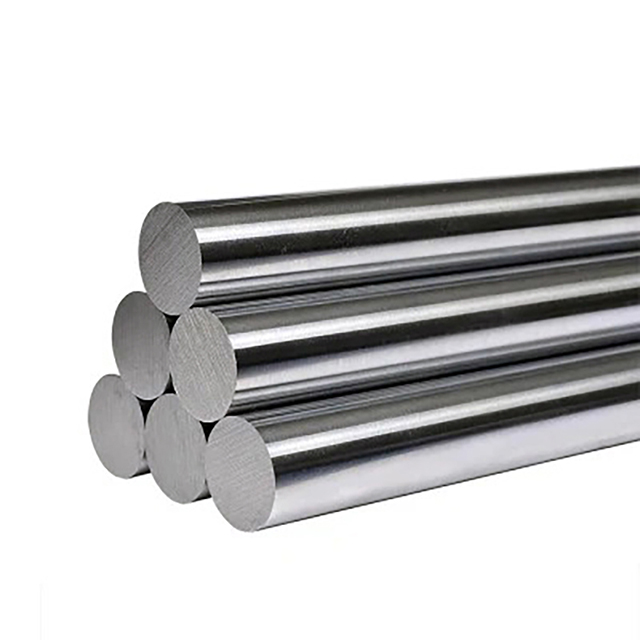
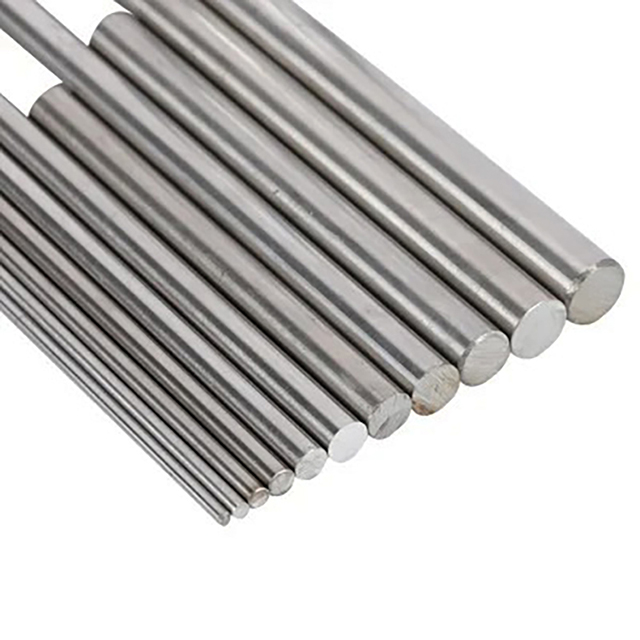
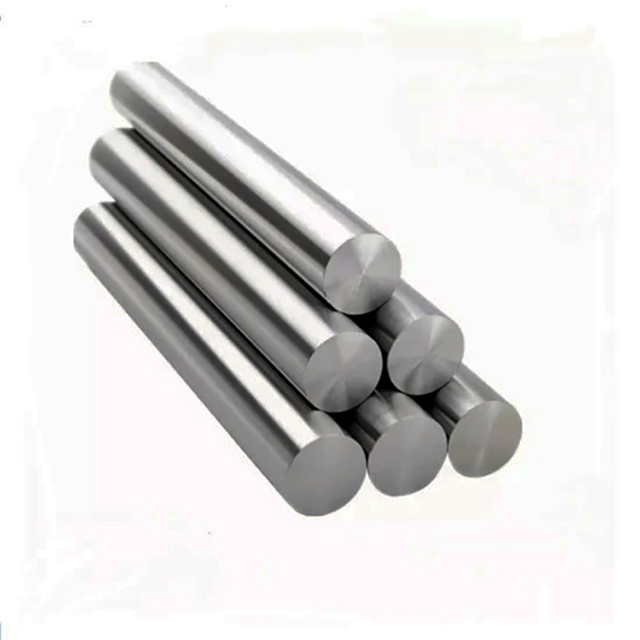
Hot rolled and cold drawn 430F round bar from 12 mm to 150 mm, supplied annealed or cold drawn with EN 10204 3.1 certificate. The free-machining version of 430: at least 0.15% sulfur turns stringy chips into clean breaks and raises tool life sharply on CNC lathes and screw machines.
Equivalent to: AISI / SAE 430F (UNS S43020, ASTM A582), EN 1.4104 / X14CrMoS17 (EN 10088-3), JIS SUS430F (G4303/G4304), GB/T 20878 Y10Cr17 / Y1Cr17
Product form: hot rolled bar, cold drawn bar, bright bar for screw machining
Diameter range: 12 mm – 150 mm; lengths 3–6 m or cut to size
Delivery condition: annealed (A) or cold drawn (CD)
Production route: EAF + AOD, sulfur-controlled melting, hot rolling / drawing, annealing
Standards: ASTM A582, EN 10088-3 (1.4104), JIS G4303 / G4304, GB/T 20878
Certificates: EN 10204 3.1 with reported sulfur content (grade-defining element)
Testing: tensile, hardness, inclusion rating on request, UT by agreement
Lead time: stock sizes ex-warehouse; production 20–30 days
430F keeps the 16.00–18.00% chromium frame of standard 430 and adds one deliberate change: sulfur, raised from a 0.030% maximum to a 0.15% minimum. The sulfur combines with manganese to form soft MnS inclusions distributed through the bar. At the cutting edge these inclusions lubricate the tool contact zone and crack the chip, which is why the grade machines like a free-cutting carbon steel while still carrying 17% chromium. The same inclusions are the reason for the grade's two limitations: no welding (sulfur causes hot cracking) and slightly lower pitting resistance than standard 430.
| Element | C | Mn | Si | P | S | Cr | Ni |
|---|---|---|---|---|---|---|---|
| ASTM A582 (430F / S43020) | 0.12 max | 1.25 max | 1.00 max | 0.040 max | 0.15 min | 16.00–18.00 | 0.75 max |
| EN 10088-3 (1.4104 X14CrMoS17) | 0.08 max | 1.50 max | 1.50 max | 0.040 max | 0.15–0.35 | 16.00–18.00 | — (Mo 0.20–0.60) |
Note that the EN counterpart 1.4104 carries a small molybdenum addition (0.20–0.60%) that the ASTM chemistry does not. If your drawing says X14CrMoS17, check the molybdenum line on the mill certificate — not every 430F heat will satisfy a 1.4104 call-out.
Like standard 430, the grade is ferritic and not hardenable by quenching; cold drawing is the available strength lever. The values below are typical published figures for annealed bar — final properties always come from the mill certificate.
| Condition | Tensile, Rm | Yield, Rp0.2 | Elongation, A | Hardness |
|---|---|---|---|---|
| Annealed | ≈ 515 MPa | ≈ 275 MPa | ≈ 25 % | moderate |
| Cold drawn | higher | substantially raised | reduced | higher |
The MnS inclusions reduce transverse ductility and toughness relative to standard 430 — relevant if your part sees bending loads across the bar axis. For longitudinally loaded turned parts the effect is minor, which is why 430F dominates screw-machine inventory.
| Standard | Grade | Material No. / UNS |
|---|---|---|
| ASTM A582 (USA) | 430F | UNS S43020 |
| EN 10088-3 (Europe) | X14CrMoS17 | 1.4104 |
| JIS G4303 / G4304 (Japan) | SUS430F | — |
| GB/T 20878 (China) | Y10Cr17 (旧 Y1Cr17) | — |
CNC turned parts: fittings, bushings, spacers, connector bodies
Valve stems, valve needles and internals for mild service
Instrument and appliance shafts with light loads
Fasteners produced on thread-rolling and screw machines (non-welded)
Components requiring decorative finish plus fast machining cycles
430F is annealed, not hardened. Standard practice mirrors 430: anneal at 760–815 °C and air cool. Extended soaks above 900 °C coarsen the ferrite grain and damage both toughness and surface quality after machining, so the grade should be bought in the condition the part needs rather than re-treated later. Cold drawn bar can be stress relieved at the low end of the range to stabilise dimensions before final machining.
If the application later needs bulk strength or a hardened surface, the correct step is a change of grade — 431 (1.4057) martensitic round bar keeps a similar chromium family but quenches and tempers to 800–950 MPa per EN 10088-3 QT800. The full selection logic is set out in our 430 vs 430F vs 431 comparison article.
Sulfur-controlled melting and AOD refining for consistent machinability heat after heat
In-house annealing and straightening; centerless ground bar on request
Machining shop: peeling, cutting-to-length, chamfering for auto-feed stock
Testing: tensile, hardness, XRF grade verification, sulfur reported on every 3.1 cert
ISO 9001 certified; ABS / BV / CCS / GL marine-society experience
Export packing for South American and Australian customers
A1: No — it is the one thing the grade cannot do. The high sulfur content causes hot cracking in the weld and HAZ. If the part must be welded, use standard 430 or an austenitic grade.
A2: The MnS inclusions from the added sulfur break chips and lubricate the cutting zone: higher feeds and speeds, longer tool life, better surface finish on long production runs.
A3: Slightly, in aggressive environments — sulfide inclusions act as pitting initiation sites. In indoor and mild service the difference is rarely visible.
A4: Yes, strongly magnetic in all conditions — normal for a ferritic grade, not a defect indicator.
Send sizes, condition and quantity to enquiry@qilumetal.com for a mill-backed quotation on AISI 430F / SUS430F / 1.4104 round bar. We ship with EN 10204 3.1 certificates reporting sulfur, straight from our own plant.


