





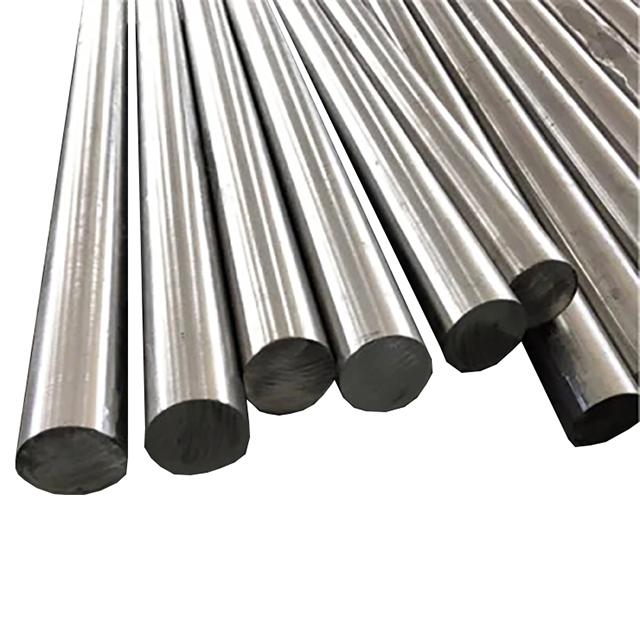

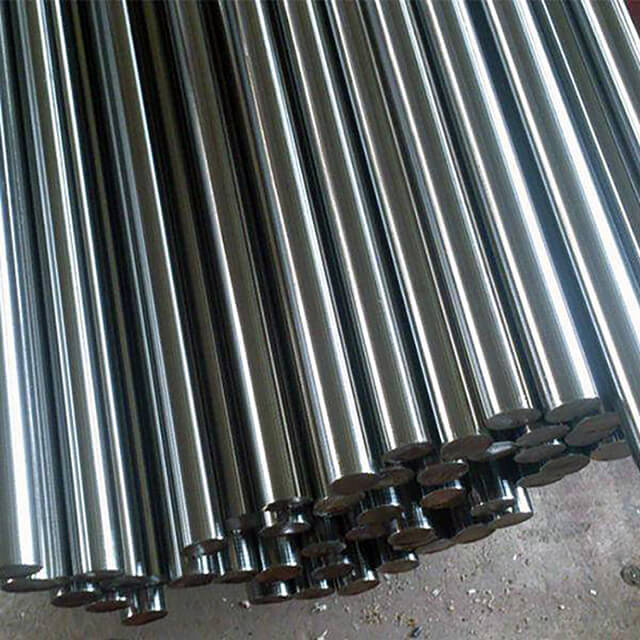

AISI 420 JIS SUS420J1 DIN 1.4021
Qilu
Product Description
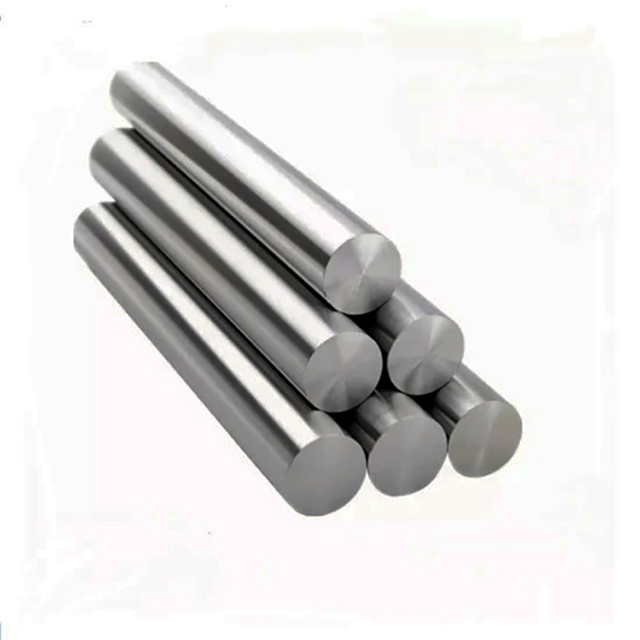
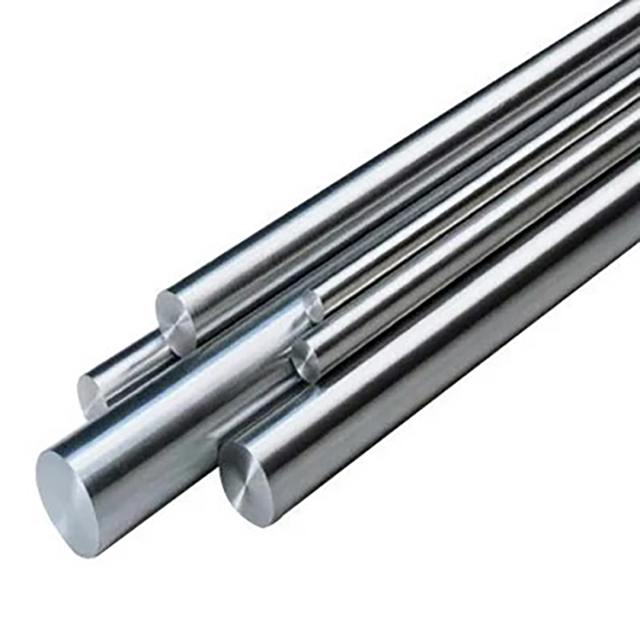
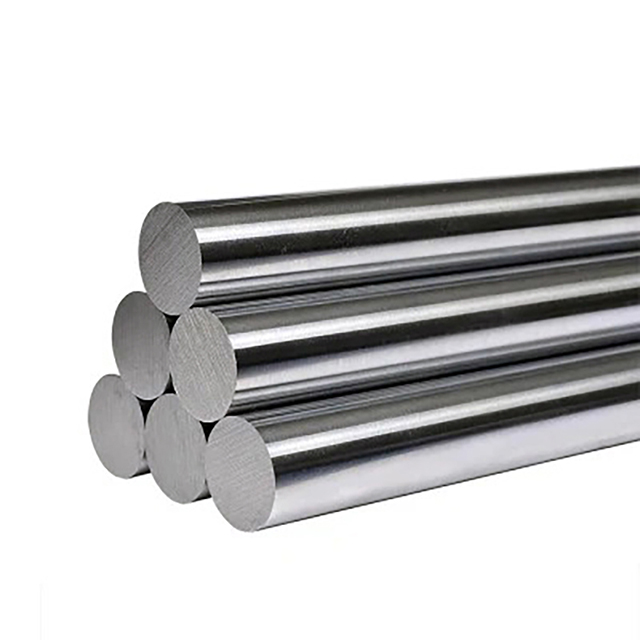
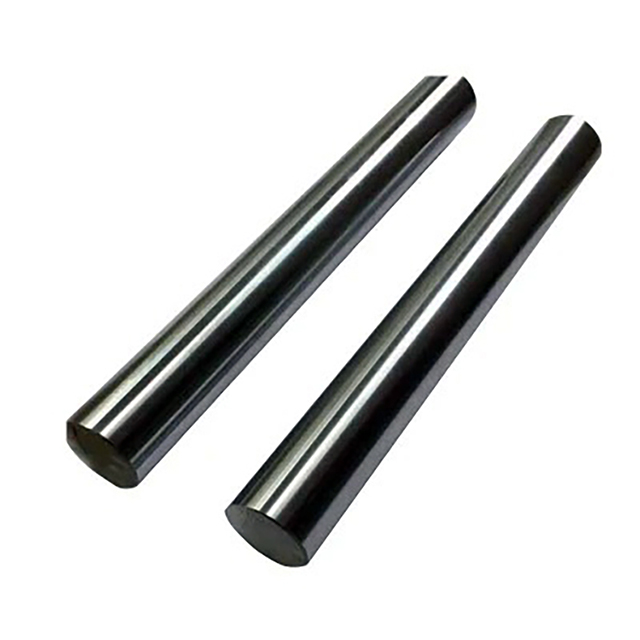
Hot rolled, forged and cold drawn 420 round bar from 12 mm to 200 mm, supplied annealed for machining or quenched and tempered to your target hardness. The general-purpose hardenable stainless grade: it takes a working surface around 50 HRC in mild environments at a fraction of the cost of a high-carbon grade.
Equivalent to: AISI / SAE 420 (UNS S42000, ASTM A276 / A479) · EN 1.4021 / X20Cr13 (EN 10088-3) · JIS SUS420J1 (G4303) · GB/T 1220 20Cr13 (2Cr13) · BS 420S37
AISI 420 / SUS420J1 / 1.4021 Martensitic Stainless Steel Round Bar
AISI 420 / SUS420J1 / 1.4021 Martensitic Stainless Steel Round Bar
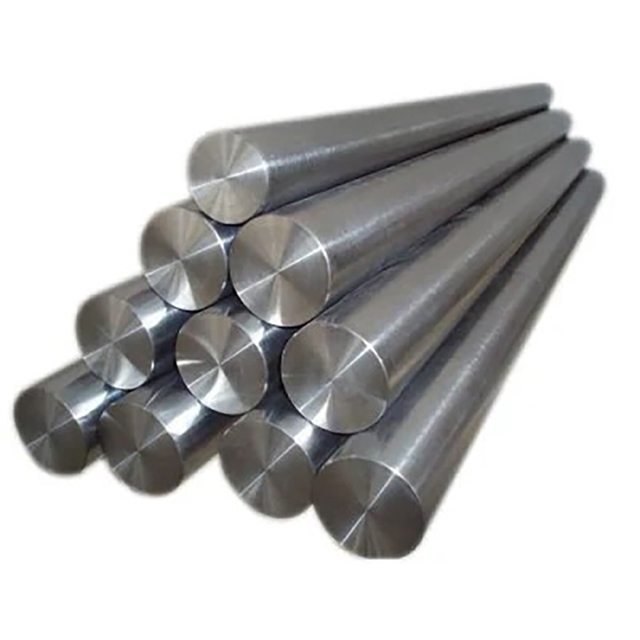
AISI 420 / SUS420J1 / 1.4021 Martensitic Stainless Steel Round Bar
Supply form — Round bar — black, peeled, turned or centreless ground
Process — Hot rolled / forged / cold drawn
Condition — Annealed for machining, or quenched and tempered (QT)
Diameter range — 12 – 200 mm; larger sections on request
Melting route — EAF + LF + VD
Standards — ASTM A276 / A479, EN 10088-3, JIS G4303
Certificate — EN 10204 3.1 as standard, 3.2 on request
Lead time — 15 – 30 days depending on size and heat treatment
420 is the martensitic stainless steel that most cutlery, pump and valve work settles on. Chromium sits at 12.0 – 14.0 %, which is the minimum needed to form a stable passive film; that film is what stops the steel rusting in fresh water, mild acids and most foodstuffs. Everything else about the grade follows from the carbon. Where 410 runs at a 0.15 % carbon minimum, 420 is specified with carbon high enough to harden to a useful cutting or wear surface — that is the whole point of paying for the grade. The trade-off is direct: carbon takes chromium out of solid solution as chromium carbide, and chromium held in carbide cannot form the passive film. 420 therefore has less corrosion resistance than a lower-carbon grade, and it is never the right choice for a chloride-rich or low-pH environment where 304 or 316 would be used. Manganese and silicon are held low and are there for deoxidation rather than for hardenability — 420 gets its hardness from carbon and its hardenability from chromium, which is why thin sections will air-harden while a thicker bar needs an oil quench.
| Element (%) | AISI 420 (ASTM A276) | EN 1.4021 / X20Cr13 | JIS SUS420J1 (G4303) |
|---|---|---|---|
| Carbon (C) | 0.15 min | 0.16 – 0.25 | 0.16 – 0.25 |
| Silicon (Si) | 1.00 max | 1.00 max | 1.00 max |
| Manganese (Mn) | 1.00 max | 1.50 max | 1.00 max |
| Phosphorus (P) | 0.040 max | 0.040 max | 0.040 max |
| Sulfur (S) | 0.030 max | 0.030 max | 0.030 max |
| Chromium (Cr) | 12.00 – 14.00 | 12.00 – 14.00 | 12.00 – 14.00 |
420 is bought in one of two conditions and the numbers look nothing alike. Annealed bar is soft enough to turn, mill and drill, which is what you order when the part still has to be machined to shape; the annealed tensile of roughly 655 MPa with 25 % elongation in 50 mm is what makes that possible. Finished parts are then austenitised, quenched and tempered, and the tempering temperature is the dial that sets the final balance of hardness and toughness. The table below is the ASTM A276 reference series for grade 420. It shows the shape of the trade: a low temper near 200 °C gives a strong but relatively brittle part, while tempering above 500 °C gives up a large amount of strength in exchange for ductility. One warning the table does not carry is that this grade is prone to temper embrittlement in the region of roughly 425 – 600 °C, so production cycles are normally run either below that band to keep hardness, or well above it to produce a tough but softer part. Sitting inside the band gets you the worst of both.
| Condition | Tensile Rm (MPa) | Proof Rp0.2 (MPa) | Elongation A (%) | Hardness |
|---|---|---|---|---|
| Annealed (ASTM A276 Condition A) | 655 | 345 | 25 | ≤ 241 HBW |
| Q&T, tempered 204 °C | 1600 | 1360 | 12 | ≈ 444 HBW |
| Q&T, tempered 316 °C | 1580 | 1365 | 14 | ≈ 444 HBW |
| Q&T, tempered 427 °C | 1620 | 1420 | 10 | ≈ 461 HBW |
| Q&T, tempered 538 °C | 1305 | 1095 | 15 | ≈ 375 HBW |
| Q&T, tempered 593 °C | 1035 | 810 | 18 | ≈ 302 HBW |
| Q&T, tempered 650 °C | 895 | 680 | 20 | ≈ 262 HBW |
| Standard | Designation | Notes |
|---|---|---|
| ASTM A276 / A479 (US) | 420 / UNS S42000 | Bar and forging stock |
| EN 10088-3 (EU) | X20Cr13 / 1.4021 | QT700 and QT800 delivery classes |
| JIS G4303 (JP) | SUS420J1 | SUS420J2 is the higher-carbon variant |
| GB/T 1220 (CN) | 20Cr13 (2Cr13) | Near equivalent |
| BS 970 (UK) | 420S37 | Legacy designation |
Cutlery — kitchen and pocket knife blades, scissors and shears where a sharp edge is needed with only mild corrosion exposure
Surgical and dental instruments — forceps, scalpel handles and reamers that are hardened, ground and passivated before reuse
Pumps and valves — shafts, stems, impellers and seats handling fresh water, steam and neutral liquids
Plastic injection moulds — mould bases, cores and inserts where moderate polish and reasonable wear life are enough
Fasteners and fittings — bolts, screws, nuts and general hardware used indoors or in sheltered service
Gears, bushings and wear plates — parts that need a hard surface but do not see aggressive chemistry
The cycle is short and well established. Anneal at 840 – 900 °C and cool slowly in the furnace to get a soft, machinable structure; for cold heading or heavy forming, buy the bar spheroidise annealed instead. For hardening, austenitise in the 980 – 1035 °C window — the top of the range dissolves more carbide and raises hardness, but it also coarsens the grain, so stay as low as the hardness target allows. Quench in oil; air quenching is acceptable on thin sections but will not reach full hardness on a 60 mm bar. As-quenched the steel sits around 50 – 52 HRC and is highly stressed, so it must be tempered immediately. Temper in the 150 – 370 °C range to hold hardness, or at 650 – 750 °C when toughness and dimensional stability matter more than strength. Avoid the 425 – 600 °C band. If you machine after hardening, allow for the dimensional movement that always follows a quench, and grind rather than turn the final surface. 420 is not a welding grade: welding produces hard, crack-sensitive martensite in the heat-affected zone, and where welding is unavoidable the part must be preheated to 200 – 300 °C and tempered straight afterwards.
Most suppliers in this business are traders who subcontract everything. We run our own processes, which means shorter cycles and one point of accountability when something needs fixing.
Heat treatment shop — quenching and tempering to your target hardness, with furnace charts recorded per batch
Machining shop — rough turning, peeling and cutting to length, so your bar arrives ready for finish machining
Testing — ultrasonic per ASTM A388 / EN 10228-3, hardness mapping across the section, tensile and impact testing
Certification — EN 10204 3.1 as standard, 3.2 available with third-party witness (ABS, BV, CCS, GL)
Export packing — bundled, end-capped and rust-protected for sea freight
They are three points on one family. ASTM 420 is specified with 0.15 % carbon minimum, SUS420J1 in JIS G4303 sits at 0.16 – 0.25 %, and SUS420J2 is the higher-carbon member of the family at 0.26 – 0.40 %, which hardens further but machines and welds badly. EN 1.4021 (X20Cr13) is the European name for the 0.16 – 0.25 % material, so it maps to SUS420J1. If a drawing calls for 420J2, do not supply 420J1 — the extra carbon is the reason the grade was chosen and the part will not reach the specified hardness.
No. In practice 420 tops out at about 50 – 52 HRC after a good oil quench, and most production parts run in the 45 – 50 HRC range. Going higher needs more carbon and more chromium, which is exactly what 440C provides at 0.95 – 1.20 % C and 16 – 18 % Cr, reaching 58 – 60 HRC. If a component needs both 58 HRC and corrosion resistance the material has to change; asking 420 to deliver it produces distortion and cracking instead.
Usually one of three reasons. The part may have been left with heat-treatment scale or a grinding burn on the surface, which prevents the passive film from forming. The environment may contain chlorides or sit at a low pH, both of which attack the film faster than the grade can repair it. Or the steel may have been tempered inside the 425 – 600 °C embrittlement band, which leaves a chromium-depleted surface that is poorly protected. Removing scale, passivating in a nitric or citric bath, and staying out of that tempering window clears up most of the complaints we see.
It can be joined, but it is not a welding grade. The heat-affected zone transforms to hard, untempered martensite and will crack, sometimes hours after welding. Where welding is unavoidable, preheat to 200 – 300 °C, use a matching or austenitic filler, keep the heat input controlled, and temper immediately while the part is still warm. If the joint carries a structural load, design it out — a one-piece or mechanically fastened design is almost always cheaper than the inspection a welded martensitic joint requires.
See also our related pages: AISI 410 / SUS410 martensitic stainless round bar and AISI 431 / SUS431 high-strength stainless round bar and AISI 316 / 1.4401 austenitic stainless round bar.
Send us your diameter, length, quantity, required hardness and destination port. You will get a quotation with the full technical proposal within 24 hours.
Email: enquiry@qilumetal.com | Web: www.qilumetal.com


