


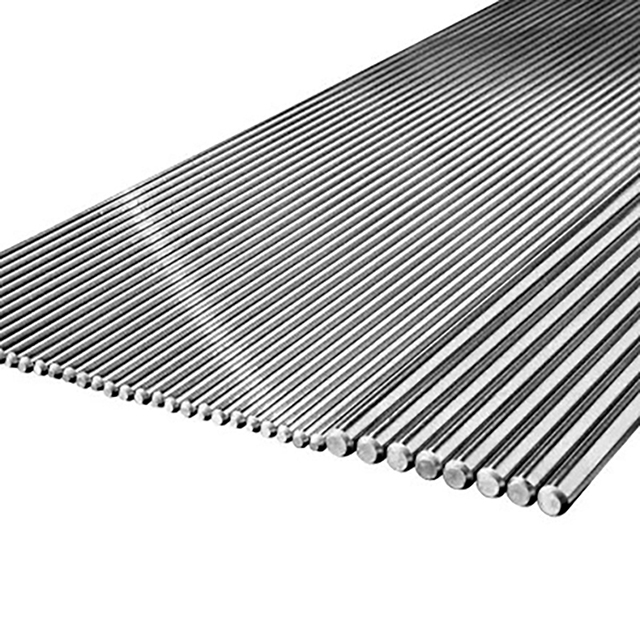

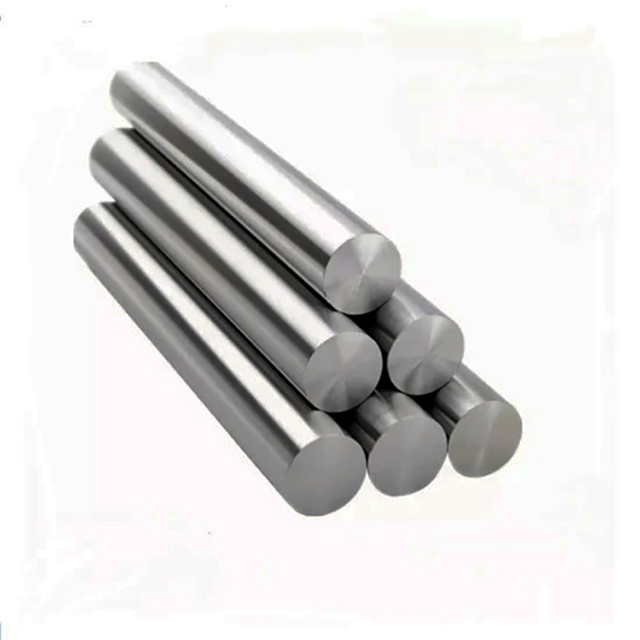

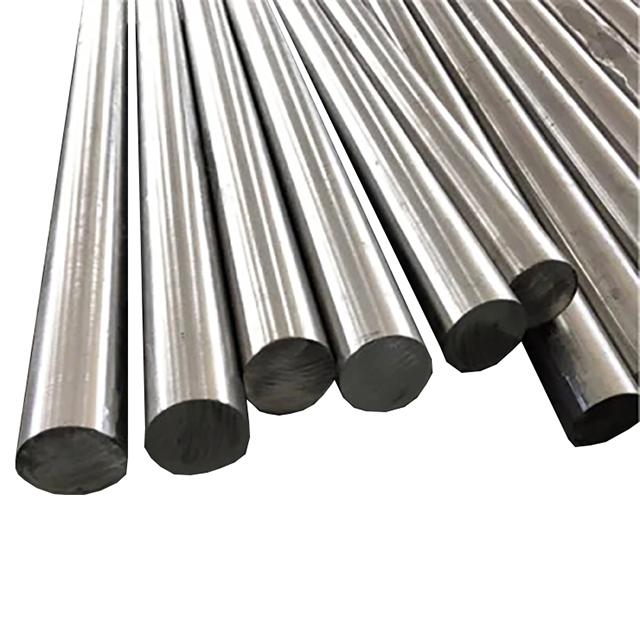

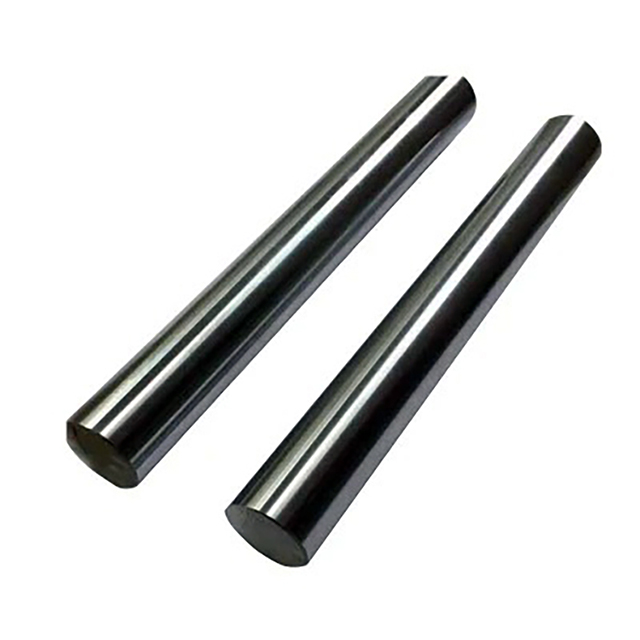

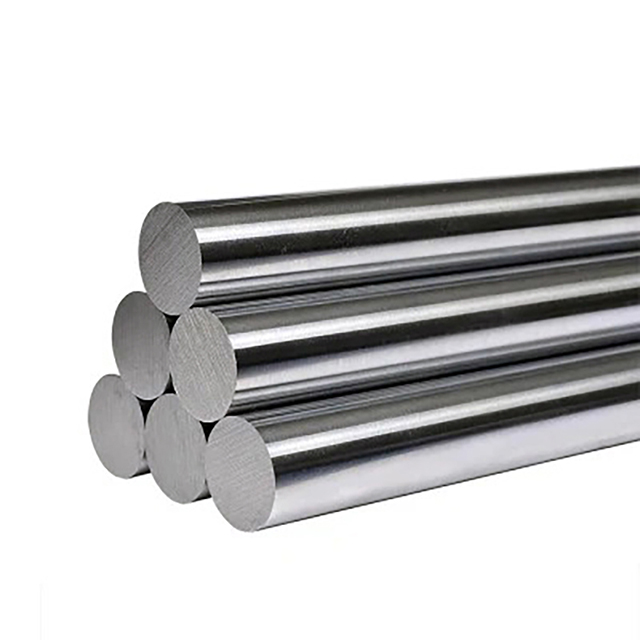

AISI 431 DIN 1.4057 GB SUS431
Qilu
Product Description
Hot rolled, forged, peeled and ground 431 round bar from 12 mm to 300 mm, supplied annealed for machining or quenched and tempered to QT800 / QT900 with EN 10204 3.1 certificate. A 16% chromium, 2% nickel martensitic grade that hardens in section and still resists attack in mildly corrosive service — the standard choice for pump shafts, valve stems and marine fasteners.
Equivalent to: AISI / SAE 431 (UNS S43100, ASTM A276 / A479) · EN 1.4057 / X17CrNi16-2 (EN 10088-3) · JIS SUS431 (G4303) · GB/T 1220 14Cr17Ni2 (旧 1Cr17Ni2)
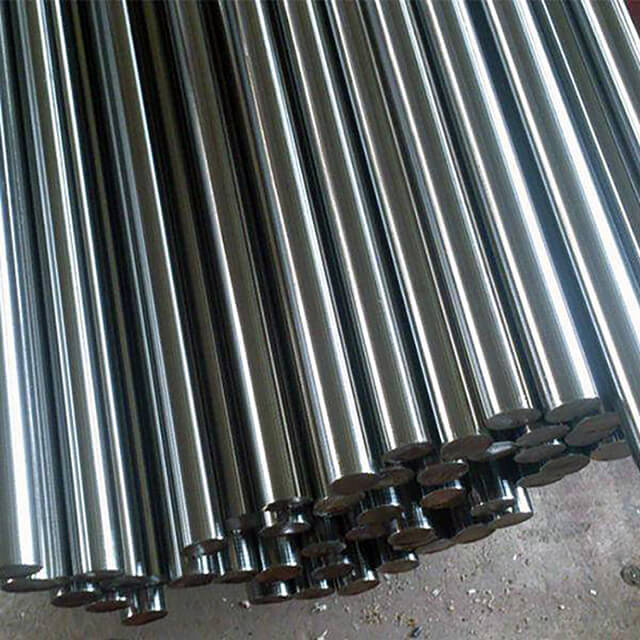
AISI 431 / 1.4057 / SUS431 Martensitic Stainless Steel Round Bar
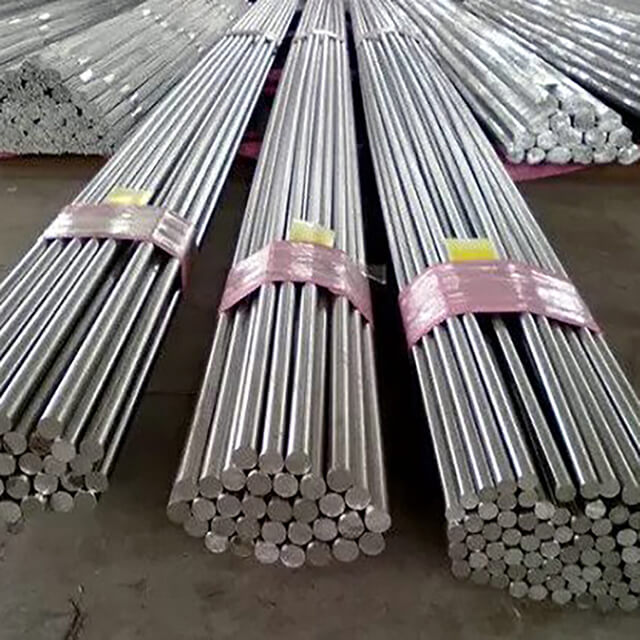
Peeled and ground 431 bar, ready for shaft machining
Product form: hot rolled bar, forged bar, peeled bar, centreless ground bar
Diameter range: 12 mm – 300 mm; lengths 3–6 m or cut to size
Delivery condition: soft annealed (+A) for machining, or quenched and tempered QT800 / QT900
Production route: EAF + AOD refining, hot rolling or forging, in-house hardening and tempering
Standards: ASTM A276 / A479, EN 10088-3 (1.4057), JIS G4303 (SUS431), GB/T 1220
Certificates: EN 10204 3.1 with actual chemistry and mechanical results
Testing: tensile, hardness, PMI on every heat; UT to EN 10228-3 or ASTM A388 by agreement
Lead time: stock sizes ex-warehouse; Q&T production 25–35 days depending on section and size
431 sits between the plain 12% chromium grades and the austenitic family, and its chemistry explains the compromise. Chromium is held at 15.00–17.00% — enough to form a passive film in atmosphere, fresh water and many organic media, less than the 18% of a 304. Nickel at 1.25–2.50% is not there for austenite stability; it is there to toughen the martensite and to push the hardenability high enough that a 100 mm bar through-hardens in oil rather than only at the surface. Carbon at 0.20% max is the hardening element, balanced against the nickel so the steel still responds predictably to tempering.
| Element | C | Mn | Si | P | S | Cr | Ni |
|---|---|---|---|---|---|---|---|
| ASTM A276 (431 / S43100) | 0.20 max | 1.00 max | 1.00 max | 0.040 max | 0.030 max | 15.00–17.00 | 1.25–2.50 |
| EN 10088-3 (1.4057 X17CrNi16-2) | 0.12–0.22 | 1.00 max | 1.00 max | 0.040 max | 0.030 max | 15.00–17.00 | 1.50–2.50 |
| JIS G4303 (SUS431) | 0.20 max | 1.00 max | 1.00 max | 0.040 max | 0.030 max | 15.00–17.00 | 1.25–2.50 |
The difference between the ASTM and EN limits matters at the low-carbon end. ASTM allows any carbon up to 0.20% with no floor, so a heat at 0.09% C would meet the American spec but cannot reach the QT900 strength class. EN 10088-3 closes that gap by writing a 0.12% minimum. When a European drawing calls for 1.4057 in a tempered condition, we select heats on carbon and check the hardenability response, rather than shipping to the ASTM window and hoping the tempering curve lands where the customer expects.
Unlike the ferritic 430 family, 431 can be heat treated. It is delivered either soft annealed for machining — where the buyer will harden and temper after cutting — or already quenched and tempered to a strength class. The table gives the EN 10088-3 classes we routinely certify.
| Condition | Tensile, Rm | Yield, Rp0.2 | Elongation, A | Typical use |
|---|---|---|---|---|
| +A, soft annealed | Supplied for machining; strength not specified in the delivery condition | — | — | Parts hardened after machining |
| QT800 | 800–950 MPa | 600 MPa min | 12 % min | Shafts, stems, general load-bearing parts |
| QT900 | 900–1050 MPa | 700 MPa min | 10 % min | Higher-stress shafts, fasteners, gears |
Two points we make clear at quotation stage. First, the QT values above are minimum requirements of EN 10088-3 for bar; the actual results sit in the certificate, and the spread inside a class is real — a QT800 heat at the top of the band behaves differently at the tool edge than one at the bottom. Second, hardness is not quoted as a separate promise: it follows from the tempering temperature used to hit the strength class, and we report it on the 3.1 certificate rather than publishing a catalogue range that would not survive an audit.
Impact toughness is the property buyers underestimate. Tempering in the 400–550 °C window raises strength but leaves the steel in a temper-embrittled band; a shaft that passes the tensile test can still fail a Charpy test or crack at a keyway. If your part sees shock loading, specify the tempering range, not only the strength class.
| Standard | Grade | Material No. / UNS |
|---|---|---|
| ASTM A276 / A479 (USA) | 431 | UNS S43100 |
| EN 10088-3 (Europe) | X17CrNi16-2 | 1.4057 |
| JIS G4303 (Japan) | SUS431 | — |
| GB/T 1220 (China) | 14Cr17Ni2 (旧 1Cr17Ni2) | — |
| GOST (Russia) | 20Kh17N2 (20Х17Н2) | — |
One caution on cross-referencing: the Chinese 14Cr17Ni2 carries a slightly higher chromium range (16.00–18.00%) than the EN 1.4057 window, and the old 1Cr17Ni2 designation is still written on many domestic drawings. Both are treated as 431 equivalents in trade, but when the drawing controls corrosion performance rather than strength, the chromium difference is worth a conversation before the heat is melted.
Pump shafts, impeller shafts and sleeve shafts in fresh water and mild chemical service
Valve stems, valve trim and hydraulic rod where strength and moderate corrosion resistance are both required
Marine hardware: propeller shafting in the smaller sizes, tiller arms, deck fittings, fasteners
Bevel gears, worms and worm wheels running against bronze
Cutlery blades, surgical and dental instruments, food-processing knives
Aircraft and automotive fittings where a hardenable stainless is specified instead of chrome plating
The common thread in these applications is a part that must carry load and still not rust in a wet or mildly aggressive environment. Where the load is light and the priority is formability and cost, the ferritic 410 stainless round bar does the job at lower alloy cost. Where hardness must go above 50 HRC with wear resistance, 440C stainless round bar is the correct step up, at the price of weldability and toughness.
Annealing. Soft annealing is carried out in the 680–750 °C range followed by slow cooling, which brings hardness down to a machinable level and relieves the stress from rolling or forging. This is the condition in which most 431 is machined.
Hardening. Austenitise at 980–1050 °C, hold through to temperature, then quench in oil (air is acceptable on thin sections but not on bar above roughly 50 mm). The fully austenitic soak is essential: if the part is under-soaked, undissolved carbides remain and the as-quenched hardness scatters across the batch.
Tempering. Temper immediately after quenching, before the part cools to room temperature for long, to avoid cracking. QT800 corresponds to tempering in the 550–650 °C region, QT900 to the lower end of that range. Avoid the 400–550 °C band unless the drawing explicitly asks for it, and never temper in the 250–400 °C range, which gives high hardness with very poor toughness.
Distortion and machining sequence. 431 moves during hardening like any martensitic steel. For a long shaft, the practical route is rough machine → harden and temper → finish machine or grind, with the stock allowance set by the expected distortion for the section. Buyers who finish machine before heat treatment usually come back for oversize bar and a discussion about straightening.
In-house hardening and tempering furnaces with quench and recorded temperature cycles
Peeling, centreless grinding and cutting to length for shaft blanks
Tensile and hardness testing per heat, with results printed on the 3.1 certificate
PMI / XRF grade verification on every incoming heat — a real safeguard against mixed 410/420 stock
UT examination to EN 10228-3 or ASTM A388 by agreement for shaft and pressure applications
ISO 9001 certified; ABS / BV / CCS / DNV survey experience for marine orders
Export packing: bundles strapped, end-capped, VCI where requested, sea-worthy cases for long bar
Yes. 431 is martensitic and ferromagnetic in both the annealed and the quenched and tempered condition. That is normal for the grade, not a sign of substitution.
431 for anything above roughly 40 mm section or where the shaft runs in slightly aggressive water: the nickel gives it deeper hardening and better corrosion resistance than 410. 410 remains the cheaper choice for small, lightly loaded shafts in clean service. If the water is brackish or chlorinated, neither is ideal — move to a duplex or an austenitic grade.
It can, but not casually. Preheat in the 200–300 °C range, use a matching or austenitic filler, control interpass temperature, and temper after welding to soften the hard zone in the heat-affected area. Welded 431 that is not post-weld tempered is a cracking risk, particularly on thick sections.
Hot rolled and annealed with scale removed by pickling or peeling, or peeled and ground to h9–h11 on diameter. Ground bar is the right choice where the shaft diameter is a finished surface; the tolerance and surface questions are covered in our guide to bar condition and tolerance class.
Yes — that is our standard export condition for shaft orders. Tell us the target strength class or hardness and whether impact testing is required; if you need a 3.2 certificate with third-party witness, add it to the enquiry because inspector availability drives the lead time.
Send your diameter, length, delivery condition (annealed / QT800 / QT900), standard and quantity to enquiry@qilumetal.com. We quote AISI 431 / 1.4057 / SUS431 round bar with EN 10204 3.1 certificates, in-house heat treatment and machining, and we confirm the achievable tolerance for your size rather than quoting a catalogue figure.


