






AISI 316L JIS SUS316L DIN 1.4436
Qilu
Product Description
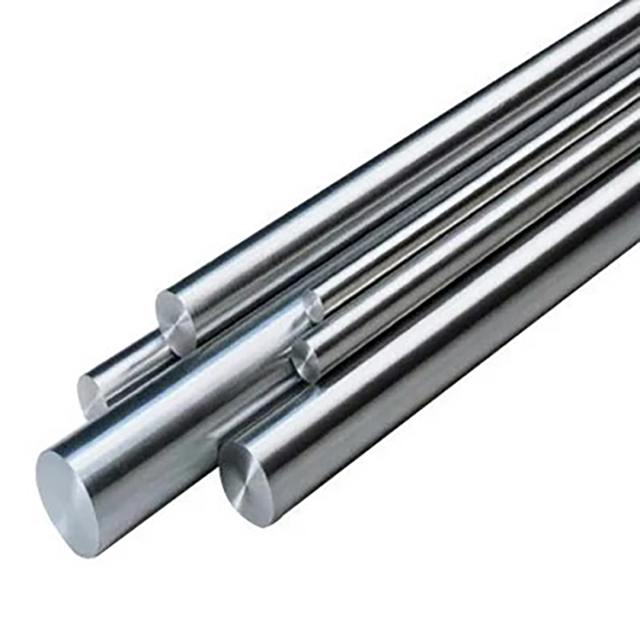
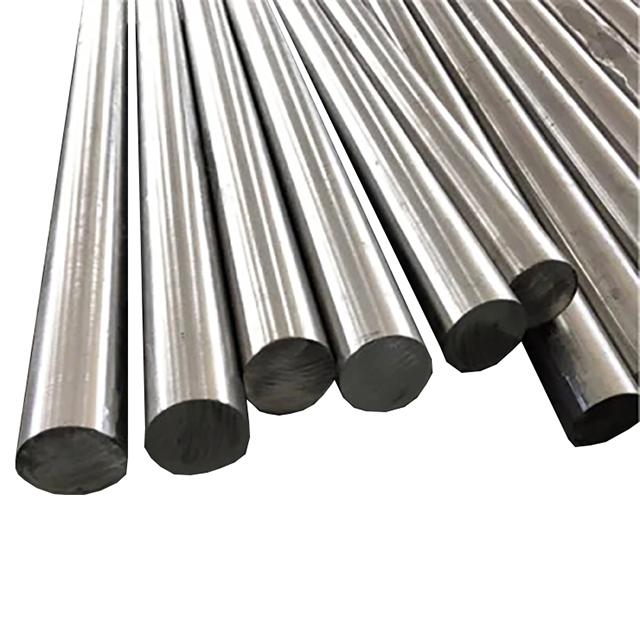
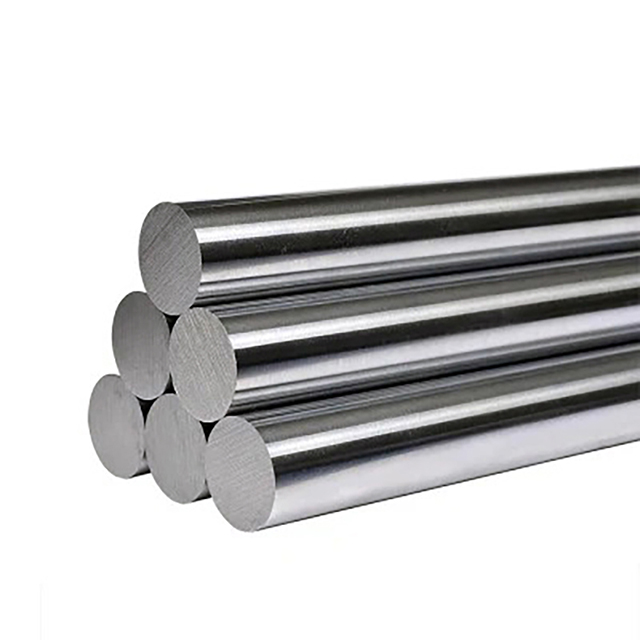
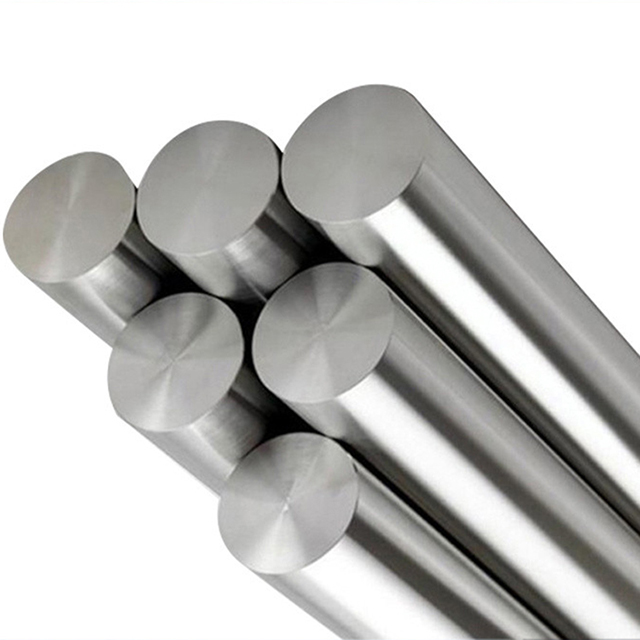
Solution annealed 316L round bar from 6 mm to 200 mm, hot rolled, forged or cold drawn. The low-carbon 16Cr-10Ni-2Mo austenitic grade for chloride, marine and chemical service — weldable without sensitisation, supplied with EN 10204 3.1 certification.
Equivalent to: AISI 316L (UNS S31603, ASTM A276 / A240) · EN 1.4404 / 1.4436 (EN 10088-3) · JIS SUS316L (G4303) · GB 022Cr17Ni12Mo2
AISI 316L / SUS316L Stainless Steel Round Bar
AISI 316L / SUS316L Stainless Steel Round Bar
AISI 316L / SUS316L Stainless Steel Round Bar
Supply form — Round bar, flat bar, hexagon and square
Process — Hot rolled / forged; cold drawn for close tolerance and bright surface
Condition — Solution annealed (pickled or peeled); cold drawn as option
Diameter range — 6–200 mm (hot rolled / forged); 3–80 mm (cold drawn)
Melting route — EAF + LF + AOD
Standard — ASTM A276 / A240, EN 10088-3, JIS G4303, GB/T 1220
Certificate — EN 10204 3.1 standard, 3.2 on request
Lead time — 15–30 days
316L is 316 with carbon capped at 0.030 %. The molybdenum — 2.00–3.00 % — is the working element: it raises the pitting resistance equivalent from roughly 18 (304) to about 25, which moves the grade from "fine in fresh water" to "serviceable in seawater splash zones and chloride-bearing process streams". The low carbon keeps the heat-affected zone of a weld from sensitising, so fabricated equipment can go into service without a full solution anneal after welding.
| Element (%) | AISI 316L (S31603) | EN 1.4404 | EN 1.4436 | JIS SUS316L |
|---|---|---|---|---|
| Carbon (C), max | 0.030 | 0.030 | 0.030 | 0.030 |
| Manganese (Mn), max | 2.00 | 2.00 | 2.00 | 2.00 |
| Silicon (Si), max | 0.75 | 1.00 | 1.00 | 1.00 |
| Phosphorus (P), max | 0.045 | 0.045 | 0.045 | 0.045 |
| Sulfur (S), max | 0.030 | 0.015 | 0.015 | 0.030 |
| Chromium (Cr) | 16.00–18.00 | 16.5–18.5 | 16.5–18.5 | 16.00–18.00 |
| Nickel (Ni) | 10.00–14.00 | 10.0–13.0 | 10.5–13.5 | 10.00–14.00 |
| Molybdenum (Mo) | 2.00–3.00 | 2.0–2.5 | 2.5–3.0 | 2.00–3.00 |
| Nitrogen (N), max | 0.10 | 0.11 | 0.11 | — |
The molybdenum addition slightly lowers the annealed strength minimums compared with 304 — the values below are the ASTM A276 and JIS G4303 annealed figures. As with all austenitic grades, cold work is the only way to raise strength by heat-free means.
| Property (annealed) | ASTM A276 316L | JIS G4303 SUS316L |
|---|---|---|
| Tensile strength, min | 485 MPa | 480 MPa |
| Yield strength (0.2%), min | 170 MPa | 175 MPa |
| Elongation, min | 40 % | 40 % |
| Hardness, max | 217 HB (95 HRB) | 187 HB |
| Density | 8.00 g/cm³ | 8.00 g/cm³ |
| Standard | Designation | UNS / Material No. |
|---|---|---|
| ASTM A276 / A240 (US) | 316L | S31603 |
| EN 10088-3 (EU) | X2CrNiMo17-12-2 / X3CrNiMo17-13-3 | 1.4404 / 1.4436 |
| JIS G4303 (JP) | SUS316L | — |
| GB/T 1220 (CN) | 022Cr17Ni12Mo2 | — |
Marine & coastal — shafts, fasteners and fittings in splash-zone and salt-air service
Chemical & pulp — bleach plant equipment, chloride process lines, resin and dye vessels
Pharma & food — hygienic tubing supports and equipment where cleaning chemicals are aggressive
Energy — components in flue gas desulphurisation and geothermal brine systems
316L is supplied solution annealed at 1010–1100 °C followed by rapid cooling. It cannot be hardened by heat treatment; cold work is the only strength lever. Because carbon is capped at 0.030 %, welded assemblies normally do not need post-weld annealing for corrosion performance — that is the practical meaning of the L. For service above 500 °C or heavy cold work, discuss the application with us: higher-carbon 316 or titanium stabilised 316Ti may hold creep strength better.
Melting & forging — EAF + LF + AOD refining, hot forged and rolled bar from 6 mm to 200 mm
Solution annealing — annealed at 1010–1100 °C and rapidly cooled, with furnace charts recorded per batch
Machining shop — peeling, rough turning, cutting to length and polishing for bar that arrives finish-ready
Testing — eddy current and ultrasonic inspection, intergranular corrosion test per ASTM A262 on request, hardness and tensile testing
Certification — EN 10204 3.1 as standard, 3.2 available with third-party witness (ABS, BV, CCS, GL)
Export packing — bundled, end-capped and protected for sea freight
Functionally yes — both are the low-carbon 16-10-2 Mo austenitic grade. 1.4404 caps molybdenum at 2.5 %, 1.4436 at 3.0 %, so 1.4436 sits at the top of the AISI Mo range. We supply to whichever designation your drawing calls up, certificate included.
It will resist pitting far better than 304 and survives splash-zone and coastal exposure, but it is not a full-immersion seawater grade — for continuous immersion, duplex or super-austenitic grades are the honest answer. The chemistry behind this is explained in our 304 vs 316 comparison.
Carbon only: 316 allows up to 0.08 % C, 316L caps at 0.030 %. Lower carbon means weldable without sensitisation; 316 gives marginally higher strength. See our AISI 316 product page for the standard-carbon variant.
Cold drawn 316L will show slight magnetism. If your application needs low permeability, tell us — we supply annealed condition and can verify permeability on request.
Send us your diameter, length, quantity and required surface condition. You will get a quotation with the full technical proposal within 24 hours.
Email: enquiry@qilumetal.com | Web: www.qilumetal.com


